
The art style guide
Find the right art style for your photo
Fine lines, expressive brushwork, a wash of color. Find the medium that brings out what you love in your photo.
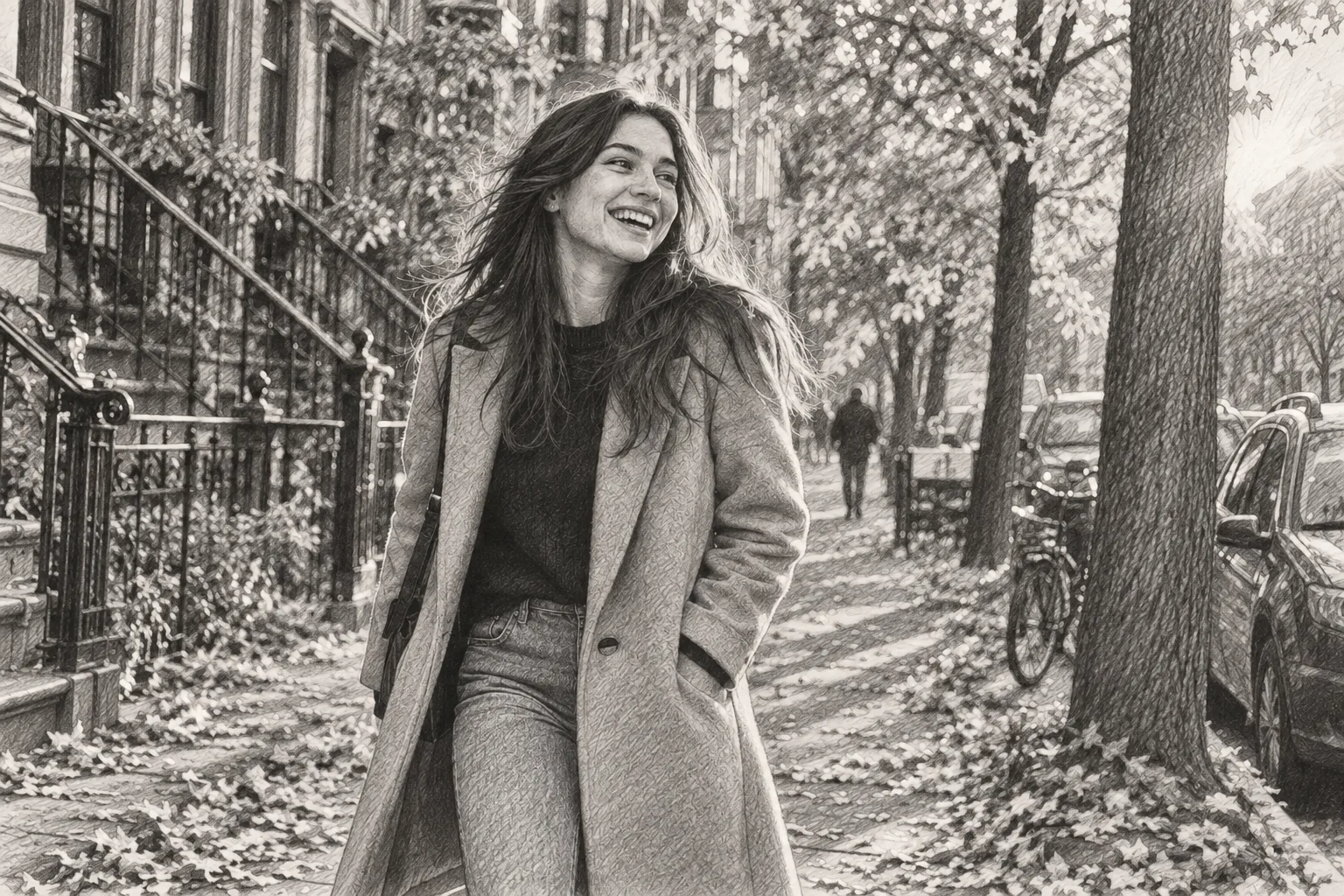
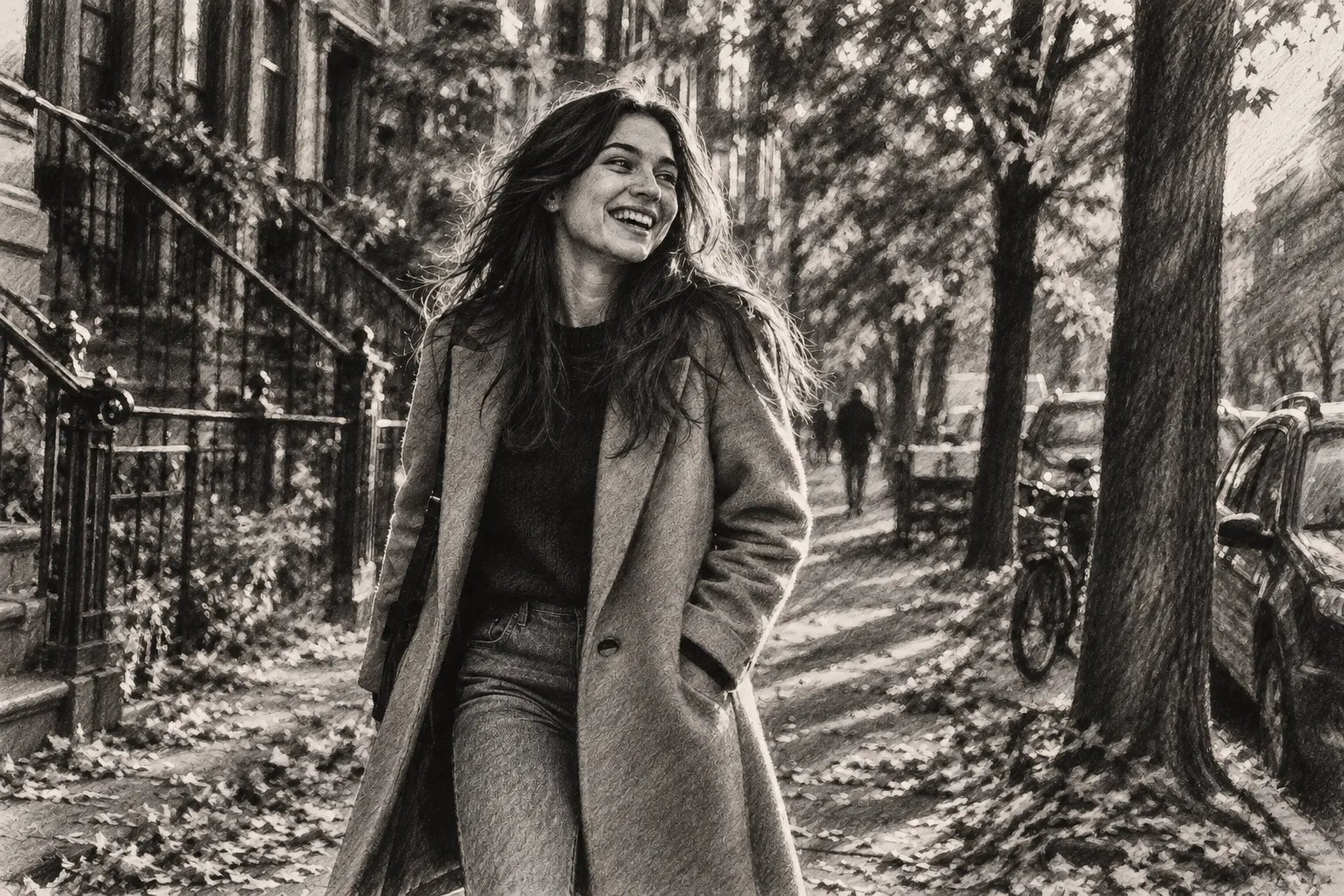
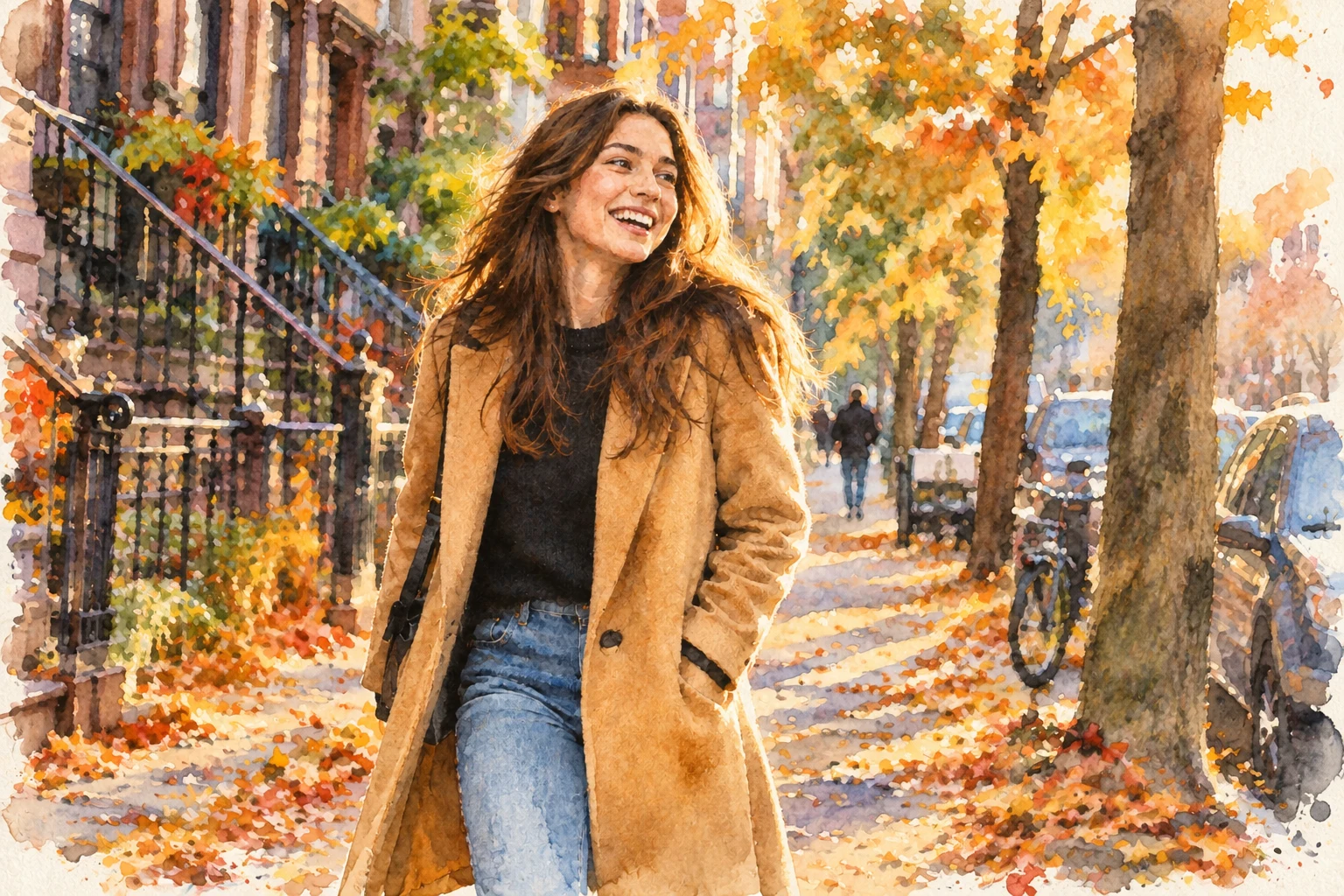
One photograph. Three different moods.
The same autumn portrait, drawn in pencil and charcoal or painted with a loose watercolor wash. Compare the edges, shadows and background detail.
Choose the way your photo is made
Start with the medium. Each collection has its own effects, photo examples and creation tool.
8 effects
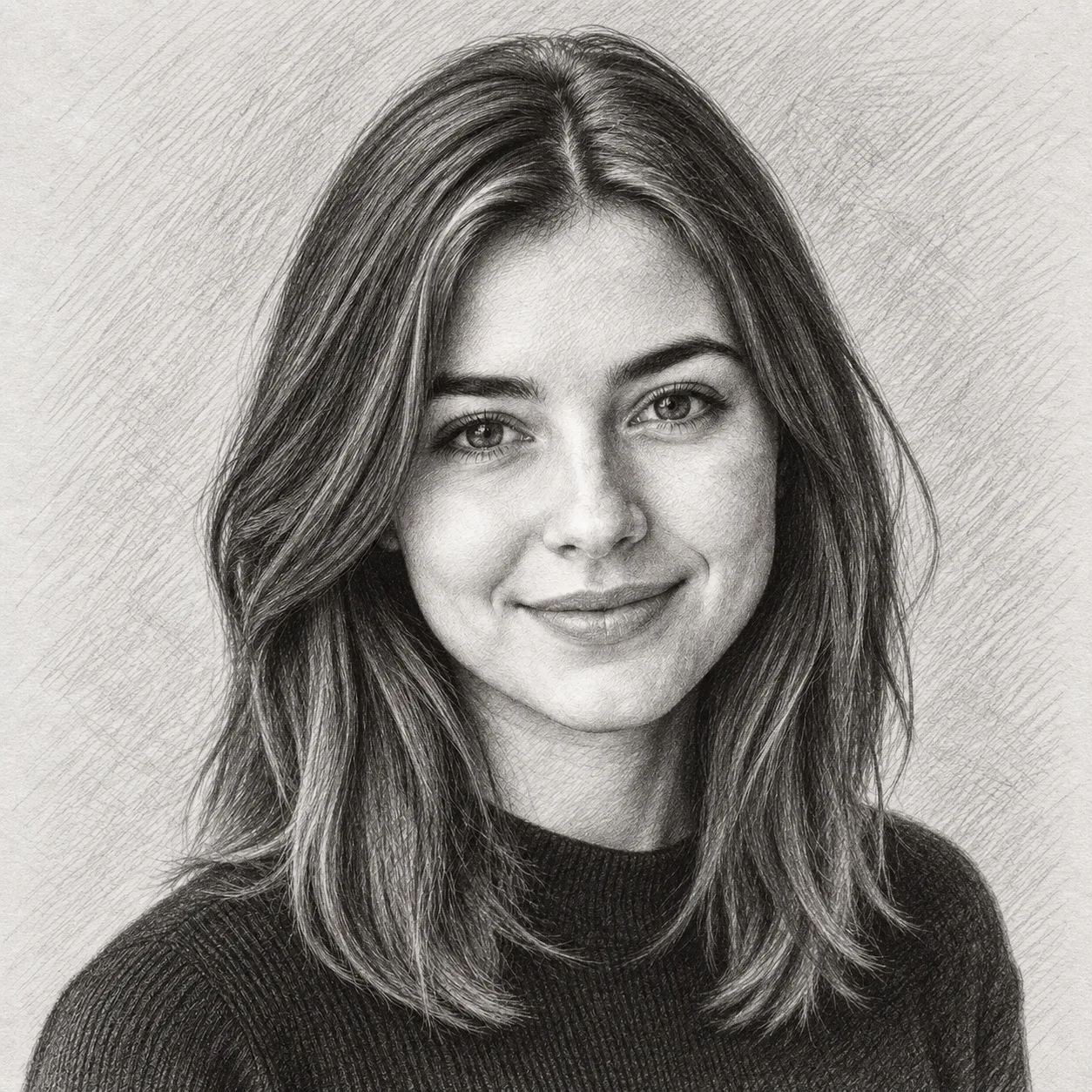
Sketch & drawing
Trade color for line, texture and contrast. Pencil and graphite keep a gentle tonal range; charcoal feels more dramatic; ink puts the emphasis on contours.
- A good starting point for
- Portrait studies, pet drawings and architectural details.
- Keep in mind
- Very dark or busy photos can lose fine details when simplified into lines.
11 effects
Oil & watercolor
Oil adds layered brushwork and richer surfaces. Watercolor uses transparent color and softer boundaries. Choose between a detailed rendering and a more expressive interpretation.
- A good starting point for
- Travel memories, landscape artwork, portraits and botanical subjects.
- Keep in mind
- Visible brushwork may reshape small details. Watercolor often leaves more of the image understated.
Choose by the detail you want to keep
The subject alone does not decide the style. Think about which part of the photograph matters most.
Pencil or graphite
Fine tonal changes can carry the expression without relying on color.
Charcoal or ink
Strong contrasts give the subject a clear visual presence.
Oil painting
Layered brushwork suits landscapes and painterly portraits.
Watercolor
Transparent washes work well for flowers, pets and travel scenes.
Start with something worth remembering
A place you want to revisit
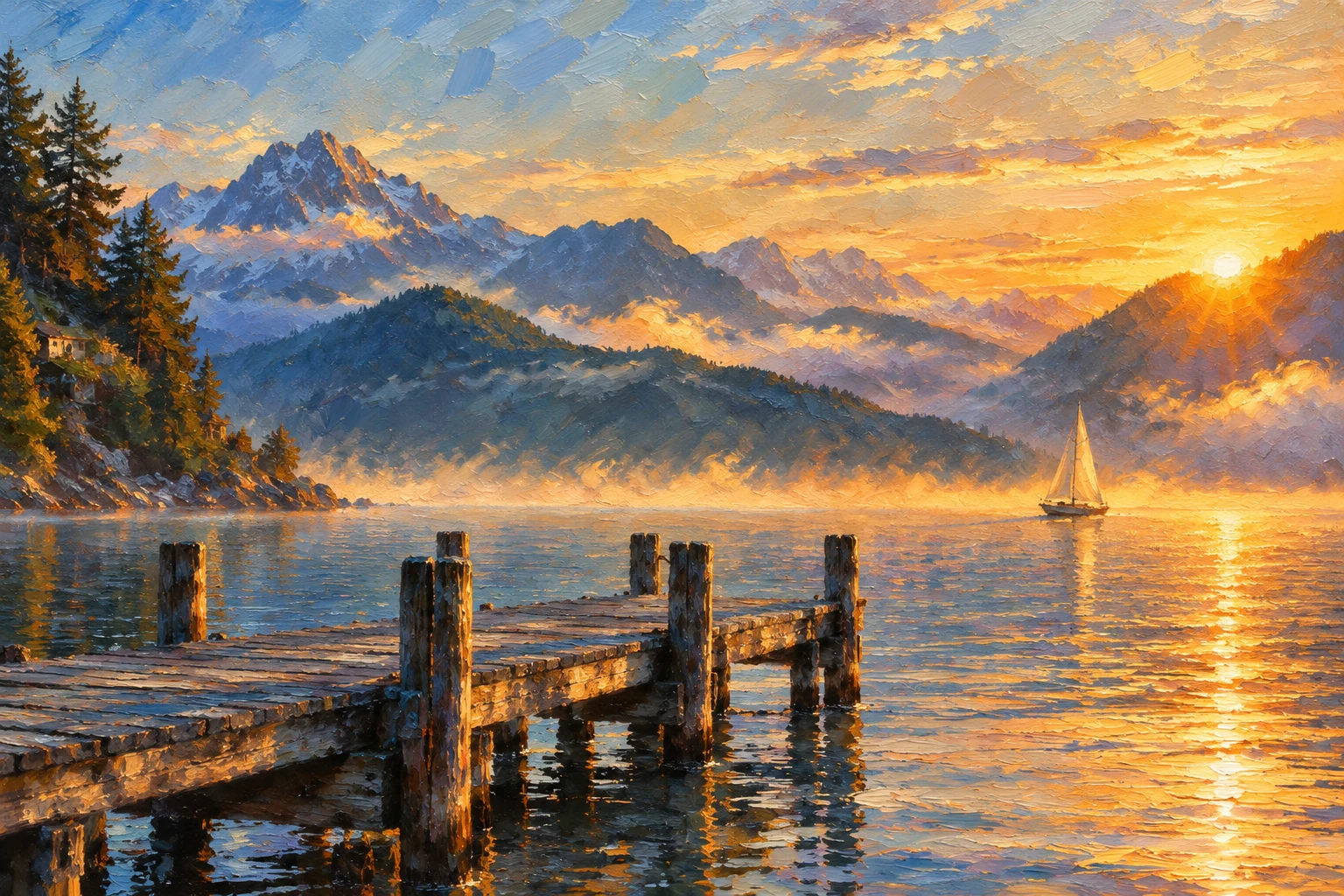
A landscape oil treatment gives a mountain view a painted surface while keeping its larger composition readable.
Explore landscape painting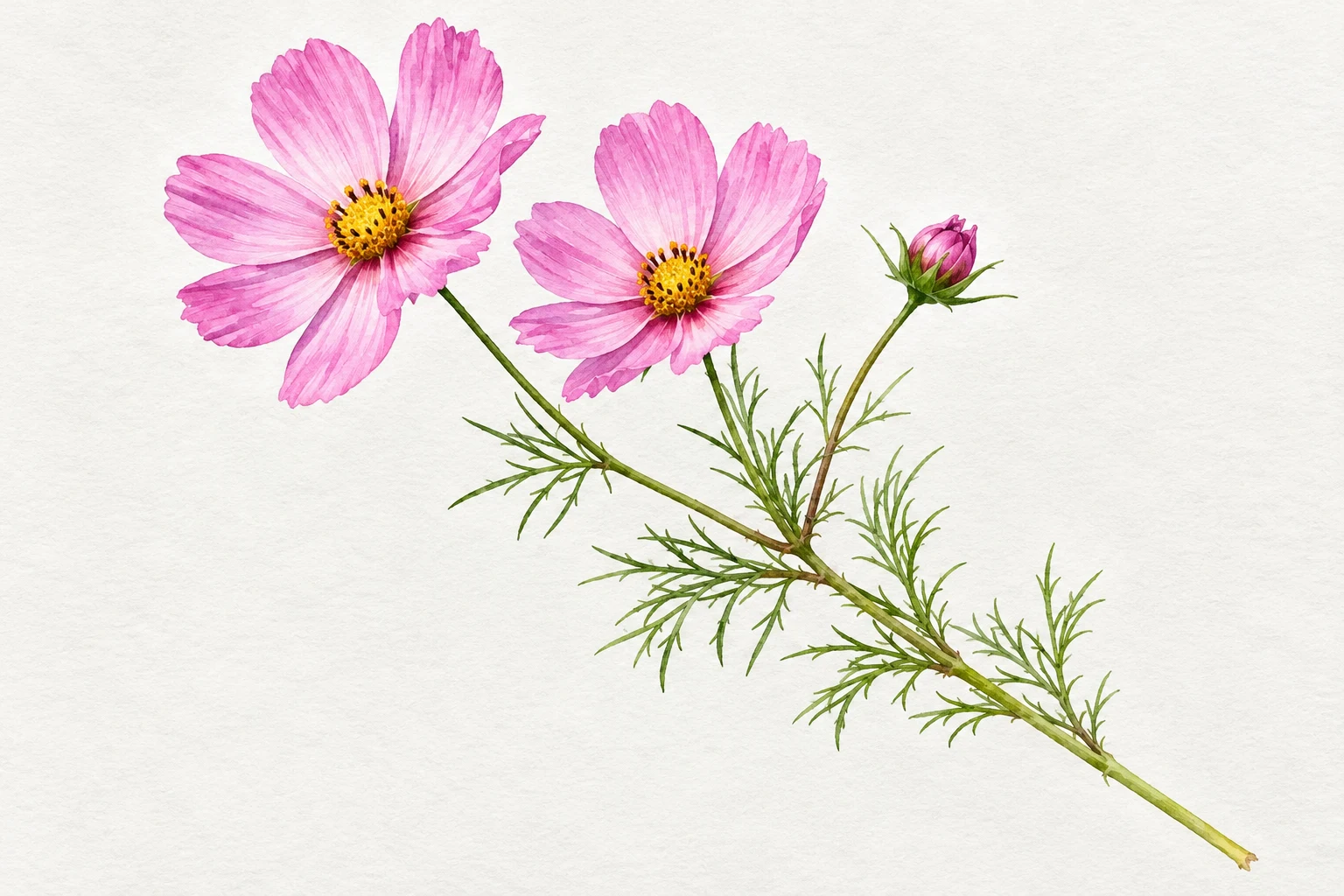
The small details of nature
Botanical watercolor pairs delicate stems and petals with a quieter background. Start with a clear, uncluttered subject.
Explore watercolor effectsBeyond traditional art materials
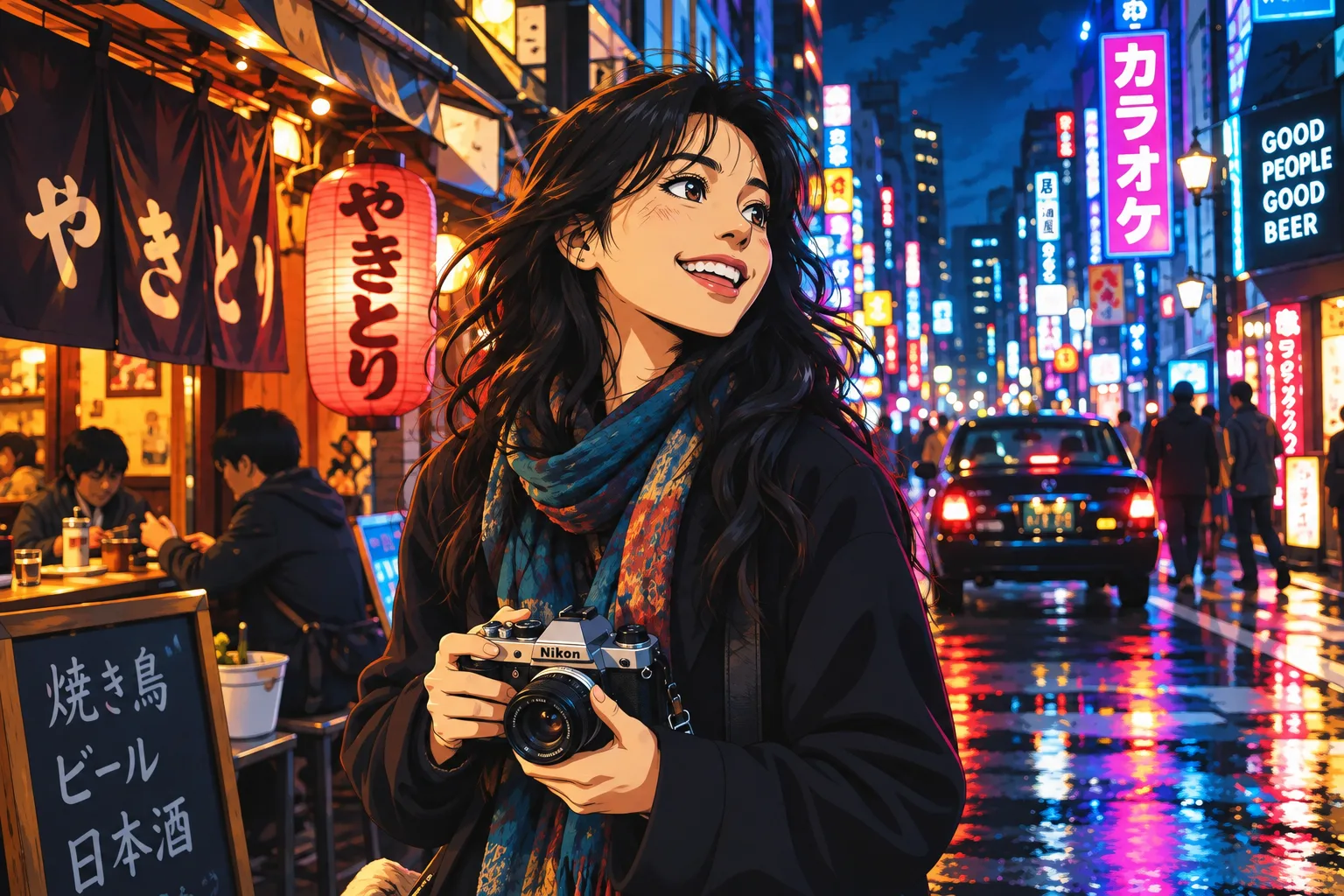
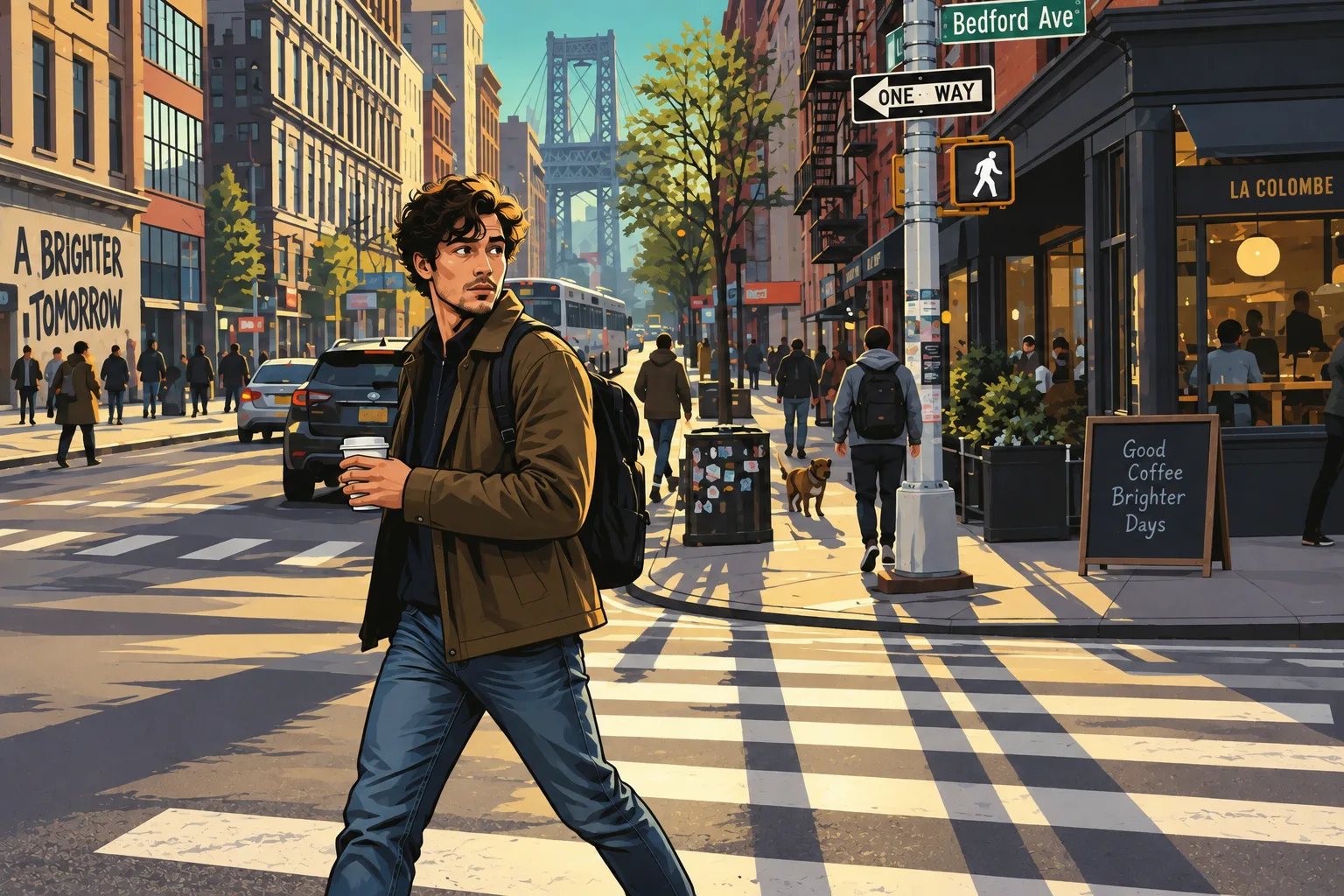
For drawn characters, stylized faces or game-world aesthetics, explore these collections next.

Choosing an art style
What is the difference between a sketch and a line drawing?
A sketch can include shading and texture, while a line-focused treatment emphasizes contours. In the sketch collection, compare pencil and graphite with the stronger outlines of ink.
Should I choose oil painting or watercolor?
Choose oil when you want richer paint texture and weight. Choose watercolor for transparent color, softer edges and a lighter composition. Compare examples of a subject similar to your own before choosing.
Can I use a landscape or pet photo?
Yes, both core collections include examples beyond portraits. A clear subject and readable lighting are helpful. Complex fur, foliage or background details may be simplified by the chosen style.
Does this page create the image?
This is a guide to choosing an effect. Open a collection to see its variations and use its dedicated creation tool.
Will a painting preserve small text and every detail?
Do not rely on a stylized image to reproduce lettering or fine details exactly. For documentary accuracy or precise edits, use an appropriate editing workflow instead.
Thinking about a different character?
Compare anime, cartoon, game and collectible looks for people and pets.